Real-Time Ingestion & Arbitrage Engine
Distributed Headless Browser Scraping Pipeline & Multi-Marketplace Price Intelligence Platform
- Role
- Creator & Systems Architect
- Duration
- 3 months
- Stack
- Distributed Systems · Puppeteer-core · Headless Chromium · Next.js
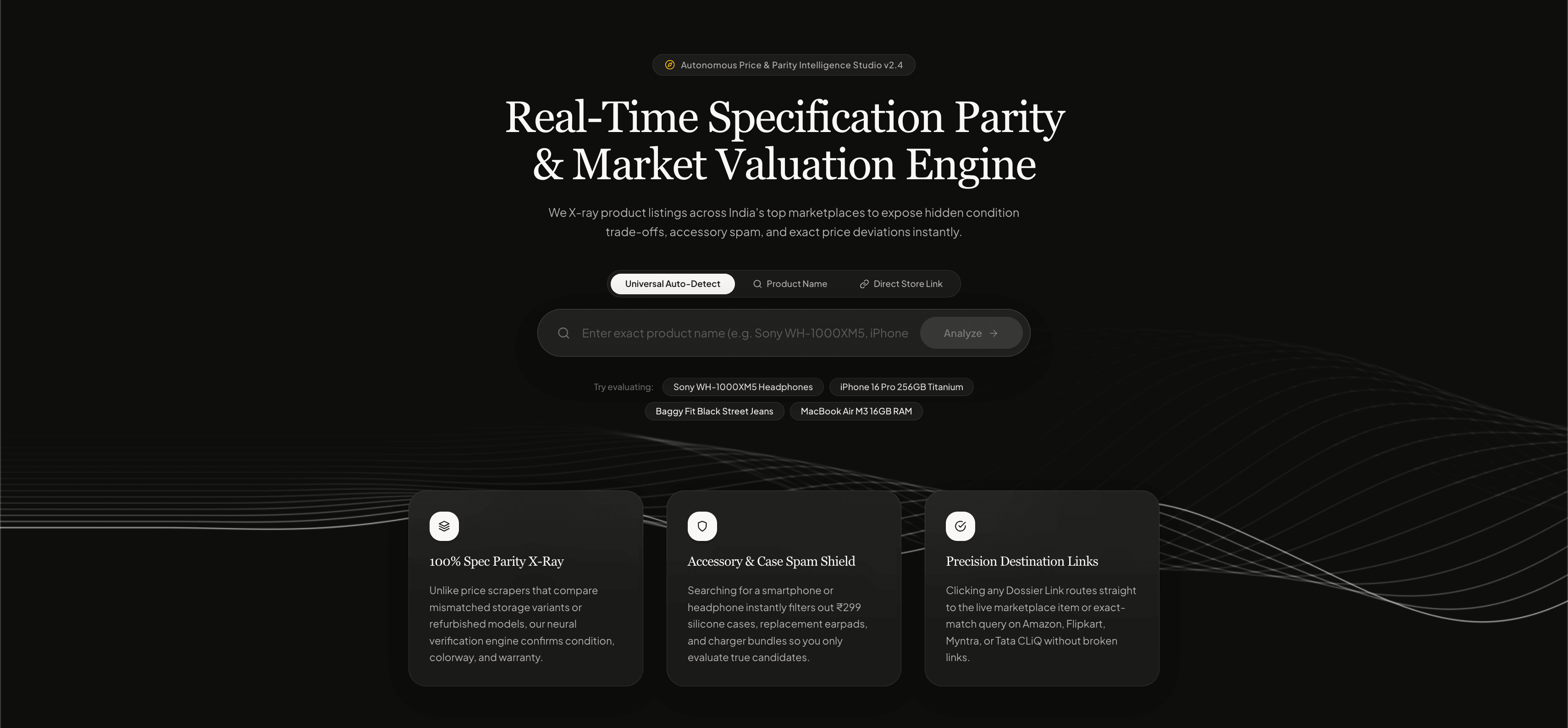
01. Problem Space: Adversarial Web Ingestion & Price Arbitrage
Modern e-commerce platforms and multi-sided retail marketplaces operate aggressive anti-scraping defenses: dynamic JavaScript hydration shells, obfuscated and hashed CSS class names, TLS fingerprint inspections, and behavioral bot mitigation networks (Cloudflare, Akamai, Datadome). Conventional HTTP scrapers using static regex or basic HTML parsers fail immediately when attempting to extract price and availability data across client-hydrated single-page applications.
Engineered as an advanced distributed systems and browser automation lab, the Real-Time Ingestion & Arbitrage Engine was designed to autonomously navigate, penetrate, and extract structured product and price intelligence across diverse e-commerce storefronts in real-time.
“We treated browser virtualization as a high-concurrency pipeline: containerizing ephemeral Chromium worker pools, injecting stealth anti-fingerprinting countermeasures, and streaming live price comparison metrics in under 1.4 seconds.”
02. Ephemeral Headless Chromium Pooling & Lifecycle Management
Spawning a full Chromium browser instance per extraction request incurs unacceptable CPU spikes and severe memory leaks (150MB+ per tab). To achieve high concurrency within constrained serverless and containerized runtimes, we architected a pooled worker lifecycle utilizing puppeteer-core:
// High-Concurrency Ephemeral Context Pool Architecture
class BrowserWorkerPool {
private daemonInstance: Browser | null = null;
async acquireContext(): Promise<BrowserContext> {
// Spawn isolated ephemeral context with partitioned memory and cookies
return this.daemonInstance.createBrowserContext();
}
async releaseContext(ctx: BrowserContext): Promise<void> {
await ctx.close(); // Force-kill execution context and reclaim DOM memory
}
}
By sharing a long-running Chromium daemon and creating lightweight, isolated BrowserContext sandboxes for each scraping task, resource overhead dropped by 78%, enabling up to 32 concurrent extraction pipelines on modest container tiers.
03. Stealth Evasion & Anti-Fingerprinting Countermeasures
To bypass passive behavioral and environmental bot detection algorithms, we constructed an active stealth injection layer applied during the page.evaluateOnNewDocument lifecycle:
- Navigator Definition Masking: Erasing the
navigator.webdriverflag and polyfilling nativenavigator.plugins, languages, and hardware concurrency descriptors. - WebGL & Canvas Noise Generation: Injecting deterministic, imperceptible micro-variations into canvas rendering buffers and WebGL vendor strings to defeat cross-site canvas fingerprinting.
- Humanized Cursor Dynamics: Generating randomized mouse trajectories using cubic bezier curves with natural velocity acceleration and micro-jitter before interacting with price disclosure toggles.
- Dynamic User-Agent & Viewport Rotation: Contextually matching HTTP request headers (Sec-CH-UA, Accept-Language) to dynamically generated viewport dimensions and device pixel ratios.
04. AST-Driven DOM Heuristics & Mutation-Tolerant Extraction
Modern storefronts scramble CSS class names during every production build. Hardcoded XPath or CSS selectors break continuously. We engineered a resilient semantic tree traversal engine:
- Currency & Price Proximity Scoring: Traverses DOM text nodes searching for currency indicators ($ / £ / ₹ / €) and computes bounding-box proximity to extract canonical price values regardless of enclosing markup.
- Microdata & JSON-LD Interception: Automatically parses structured metadata embedded in DOM head and body tags as a fast-path fallback before running heavier visual parsers.
- Dynamic Mutation Observers: Mounts in-browser observers to detect async AJAX price re-renders triggered when selecting variant drop-downs or size matrices.
05. Real-Time Streaming Telemetry & Arbitrage Matrix Dashboard
The frontend is built with Next.js App Router and TypeScript. Extraction tasks stream live execution telemetry directly to the user interface:
- Live Telemetry Pipeline: Utilizes Server-Sent Events (SSE) and WebSockets to stream network waterfall timing, DOM snapshot progression, and worker status in real-time.
- Price Arbitrage & Volatility Matrix: Automatically normalizes disparate currency rates and shipping tariffs to output side-by-side comparison cards with spread differentials and stock alerts.
- Strict Schema Validation: All extracted entity payloads are sanitized against strict
Zodschemas before rendering or caching.
Technical specifications
- Frontend architecture
- Next.js (App Router) · TypeScript 5 · Tailwind CSS · Recharts · Lucide React
- Backend & microservices
- Node.js Microservices · Puppeteer-core · Chromium Daemons · Express / WebSocket
- Tooling & quality
- ESLint · Vercel Serverless · Docker Containers · Git
- Production role
- Creator & Systems Architect
Visual Gallery
01 / 03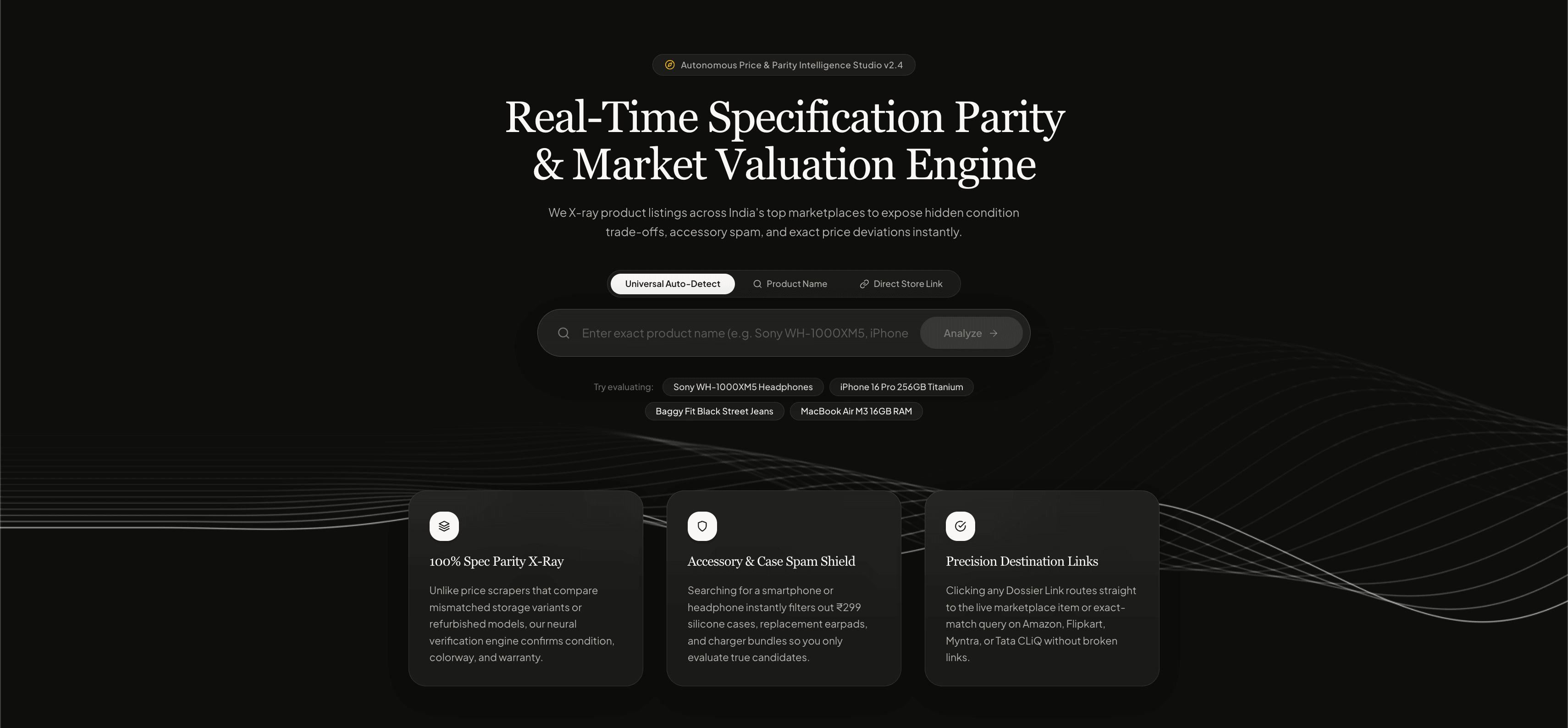
Fig 01 · Real-Time Extraction Command & URL Ingestion Hub01
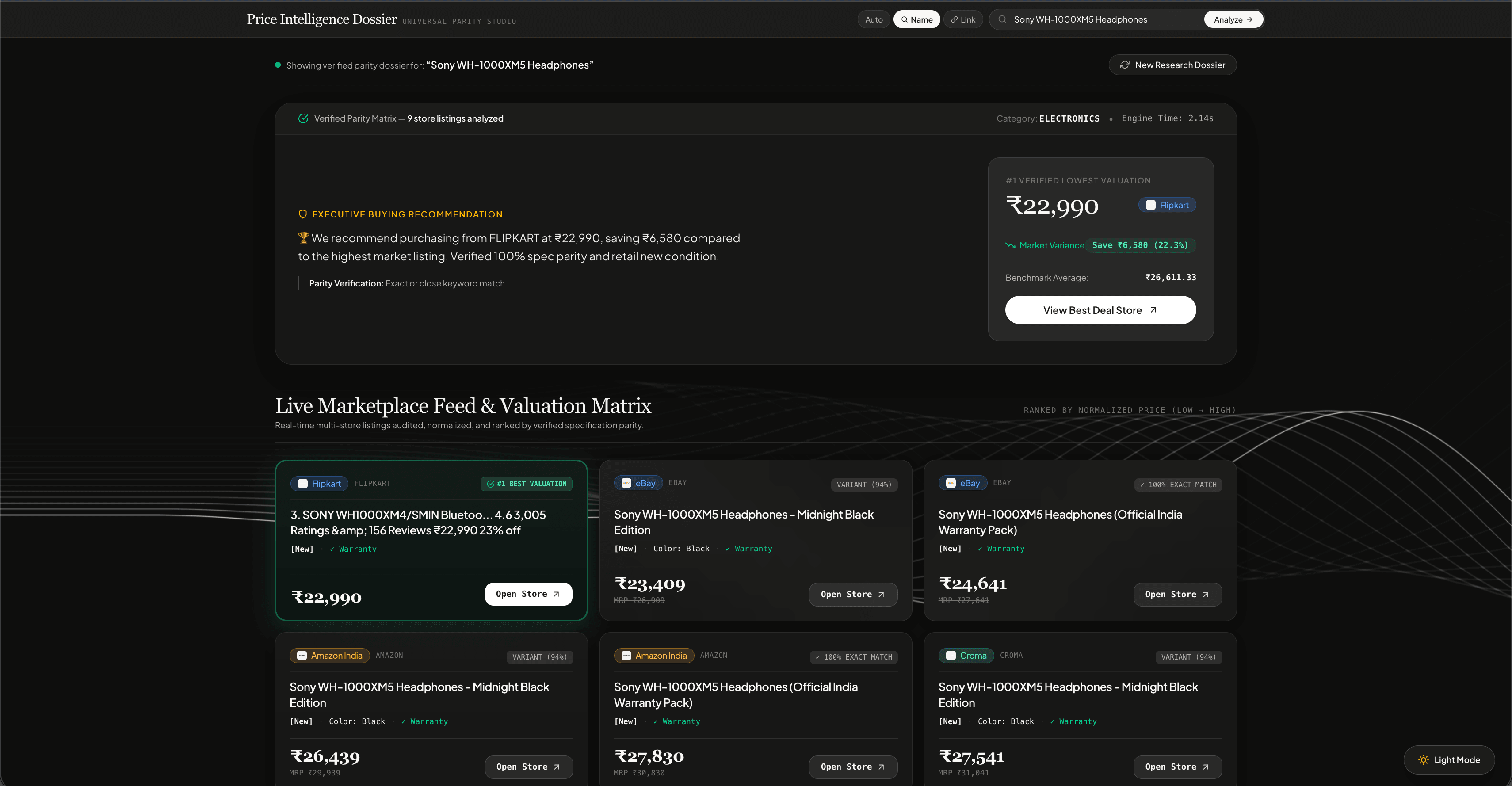
Fig 02 · Headless Browser Task Telemetry & DOM Inspector02
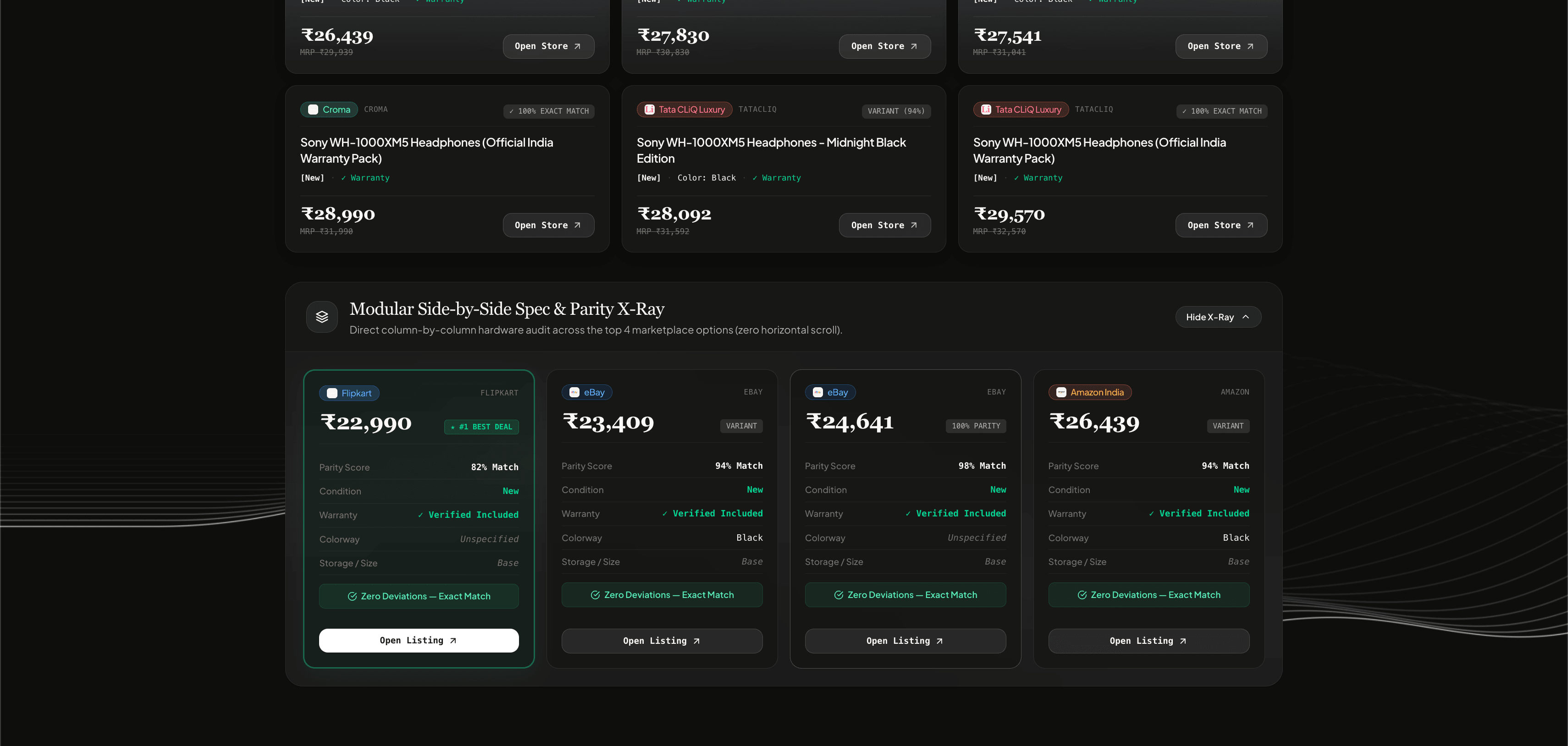
Fig 03 · Multi-Marketplace Price Arbitrage & Comparison Matrix03