Trav
The Creator & DMC Travel Operating System
- Role
- Lead Full-Stack & System Architect
- Duration
- 9 months
- Stack
- Travel Tech · Next.js 15 (RSC) · React 19 · FastAPI
01. The Problem Space & Architecture Overview
Traditional online travel booking platforms suffer from deep architectural fragmentation. Legacy travel portals are bloated with heavy client-side JavaScript bundles, slow third-party API aggregations, and disjointed authoring tools. For travel creators and Destination Management Companies (DMCs), launching a curated, multi-day itinerary required either stitching together static PDFs, paying exorbitant SaaS marketplace commissions, or maintaining custom, fragile web pages.
With Trav, the objective was to architect a high-velocity, production-ready travel operating system. The platform connects three distinct user personas: creators who publish high-converting weekly travel drops, DMCs who build complex multi-day itineraries with granular pricing, and travelers seeking seamless mobile booking experiences with instant spot availability.
“We decoupled the high-performance SSR frontend from a resilient Python FastAPI microservices layer, backing all entity relationships with AWS DynamoDB for predictable, single-digit millisecond query latencies.”
02. Sub-Second Rendering with Next.js 15 & React Server Components
Travel platforms are inherently media-heavy, featuring high-resolution photography, multi-stop maps, and dynamic itinerary timelines. In a traditional Single Page Application (SPA), this results in substantial layout shift and prolonged First Contentful Paint (FCP) times that cripple mobile conversion rates.
To resolve this, we leveraged Next.js 15 App Router with React 19 Server Components (RSC). By streaming HTML directly from the edge and isolating heavy UI widgets behind granular <Suspense> boundaries with animated skeleton fallbacks, initial FCP dropped to under 800ms.
Key Architectural Strategies:
- Modular Layout Injection: Built a zoned component-slotting pipeline that dynamically mounts contextual widgets across predefined page regions without inflating the primary client bundle.
- Automated SEO & OpenGraph Generation: Integrated dynamic metadata hooks (
generateMetadata), automated XML sitemaps, and dynamic OpenGraph image generators for search engine indexing across thousands of destination and itinerary routes. - Faceted Discovery Pipeline: Built a sub-50ms client search powered by TanStack Query, debouncing multi-dimensional query state across duration filters (2–3 days, 4–6 days, 7+ days), vibe taxonomies (#Backpacking, #Trek, #Adventure), and budget sliders.
03. TravStudio™: Drag-and-Drop Itinerary Authoring
DMCs and travel organizers historically built itineraries in unstructured documents, leading to mismatched customer expectations and pricing discrepancies. We engineered TravStudio, an interactive web studio enabling operators to structure complex trips in minutes.
Utilizing @dnd-kit/core and @dnd-kit/sortable, creators can drag and reorder multi-day schedules, assign typed activity moments (Arrival, Trek, Meal, Photography, Custom), define accommodation amenities, and attach packing checklists.
The frontend synchronizes state with an auto-saving draft mechanism and computes a dynamic completion readiness score before enforcing strict validation against the backend OpenAPI specification.
04. Concurrency & Security: Cross-Tab Token Mutex in auth layer
In high-traffic booking platforms, short-lived JWT access tokens (15-minute lifespan) paired with concurrent API requests often trigger token refresh race conditions. When multiple tabs or asynchronous fetch calls encounter a 401 simultaneously, uncoordinated refresh requests can trip backend token reuse detection, abruptly logging users out mid-checkout.
To eliminate this, we designed a generic serialized mutex locking pattern that queues parallel refresh triggers:
// Architectural Pattern: Serialized token refresh mutex for concurrent client requests
async function fetchWithAuth(url: string, options: RequestInit = {}): Promise<Response> {
const res = await fetch(url, options);
if (res.status !== 401) return res;
// Coordinate refresh across parallel calls to prevent multiple renewal cycles
const renewed = await authMutex.acquire(() => renewAccessToken());
if (!renewed) return res;
// Transparently retry the initial request with the renewed token
return fetch(url, options);
}
Additionally, for phone authentication, we implemented an OTP verification pipeline with single-use cryptographic verification tokens, securing checkout requests against replay attacks.
05. Real-Time Booking, Multi-Sharing & Inventory Pipeline
Travel checkout funnels fail when pricing is ambiguous or availability is uncertain. We architected a real-time departure inventory system with live spot occupancy meters (“10 of 14 spots booked · 71% full · Only 4 spots left”), creating transparent urgency.
The booking module dynamically calculates per-person tariffs across Double, Triple, and Quad shared accommodations, automatically itemizing GST tax breakdowns, evaluating promotional eligibility, and providing dual checkout options: direct online payment reconciliation or instant WhatsApp enquiry routing.
Technical specifications
- Frontend architecture
- Next.js 15.5 (App Router) · React 19 · TypeScript 5 · Tailwind CSS v4 · Framer Motion 12 · TanStack Query v5 · @dnd-kit
- Backend & microservices
- FastAPI (Python) · Node.js API Routes · RESTful Architecture · OpenAPI Schema Generation · OAuth 2.0 / JWT
- Data storage & cache
- AWS DynamoDB · Redis Caching Layer
- External integrations
- Global Travel Supplier APIs · Partner Inventory Integrations · Analytics Pipeline · WhatsApp Business API · Payment Gateway
- Tooling & quality
- Docker Containerization · Jest · Playwright E2E · ESLint · Postman
- Production role
- Lead Full-Stack & System Architect
Visual Gallery
01 / 03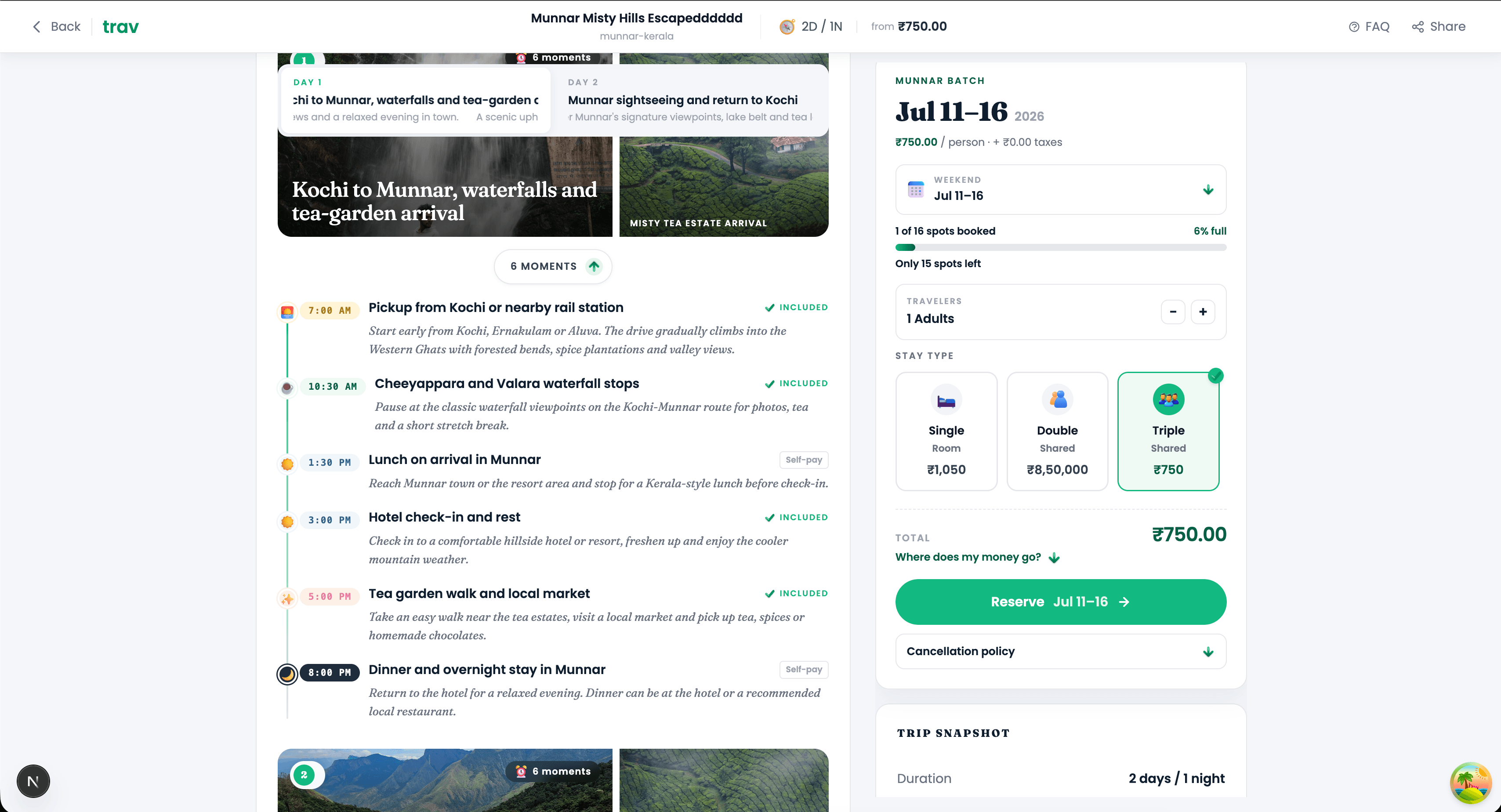
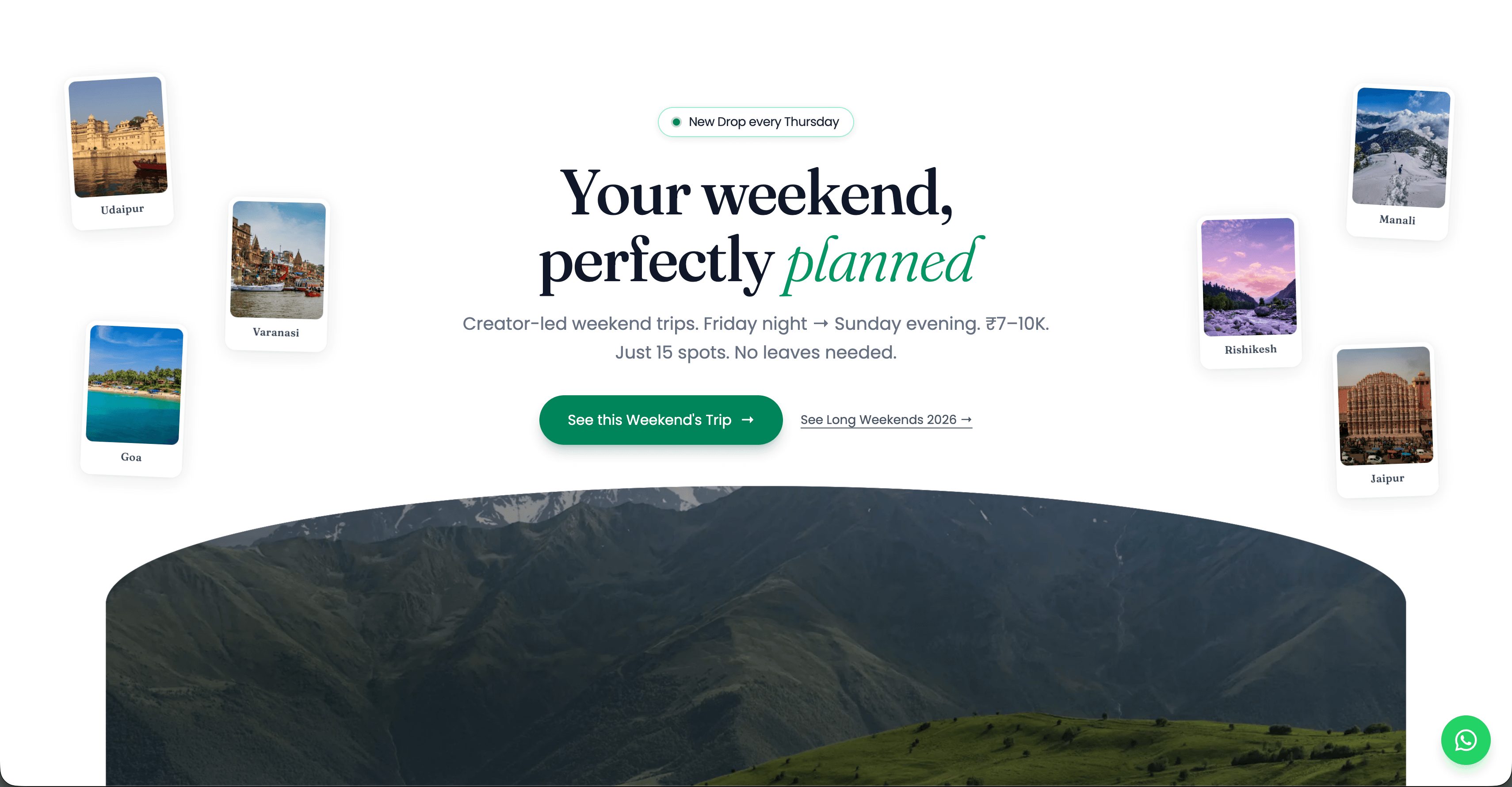
Fig 01 · Weekend Drops Landing Experience01
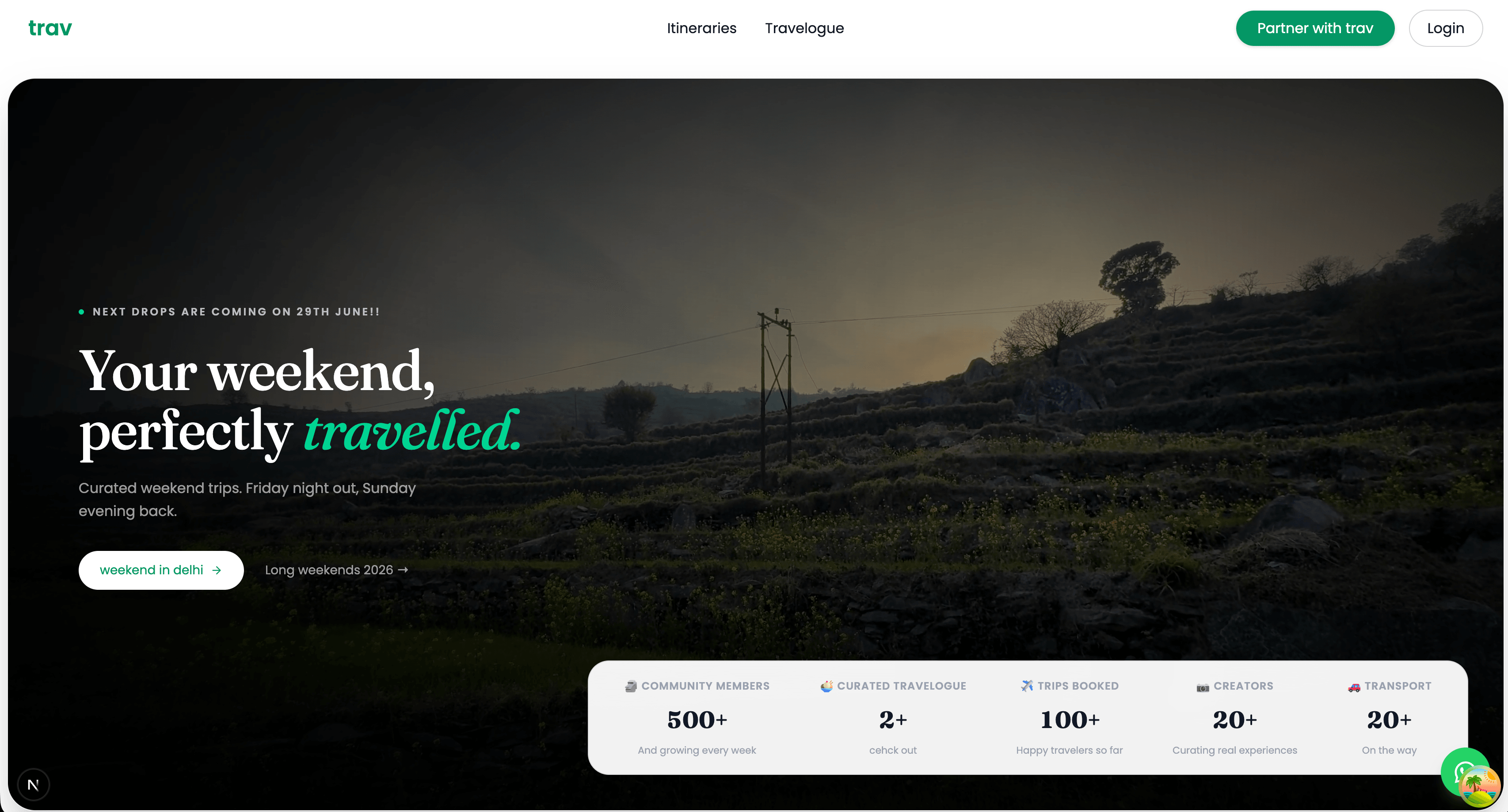
Fig 02 · Multi-Facet Discovery & Filter Engine02
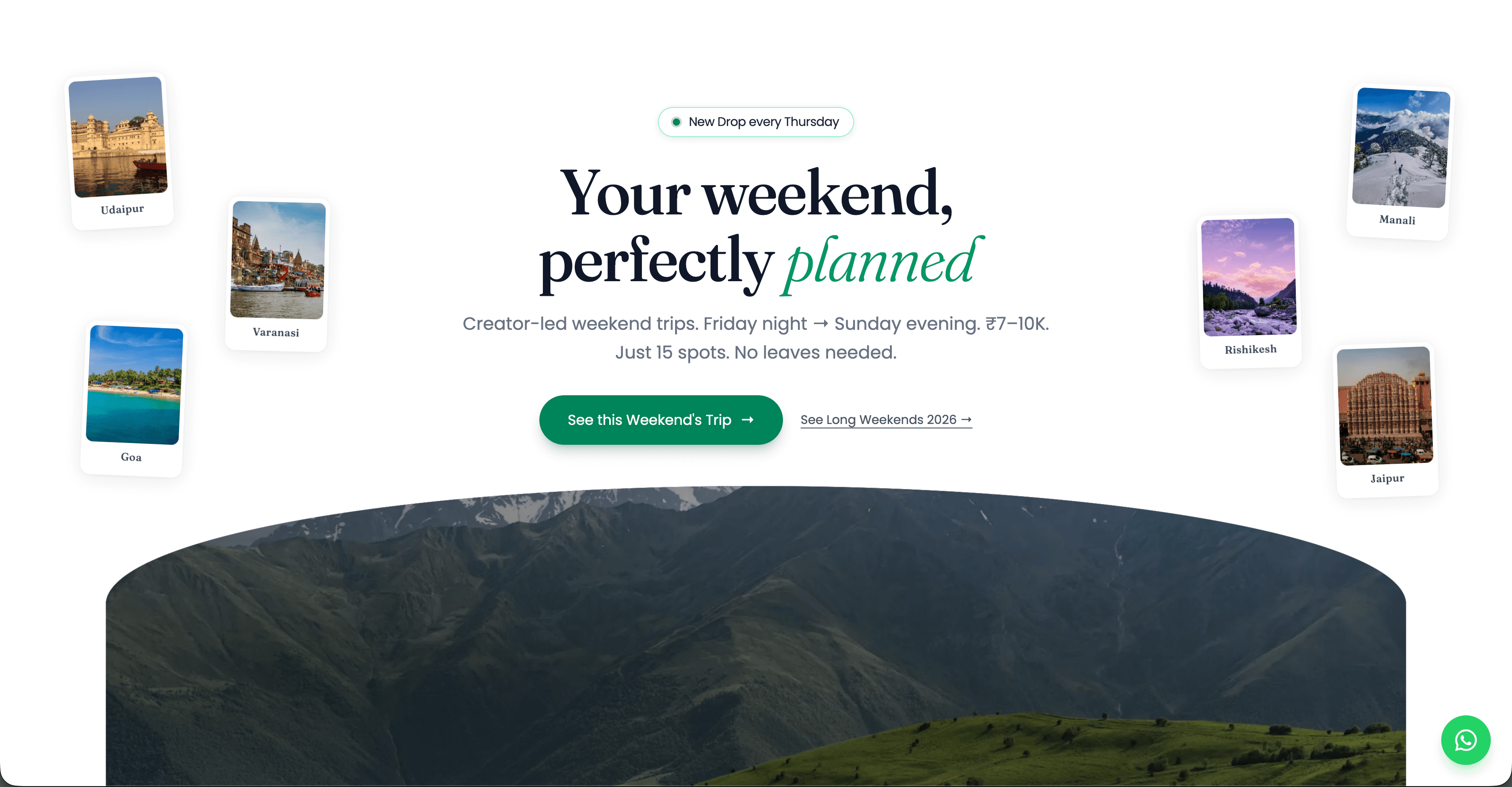
Fig 03 · Itinerary Details & Booking Flow03